
Realistic Hunting Animals Difficulty & Value Tiers
Know which species teach, which punish, and which fill the cabin wall.
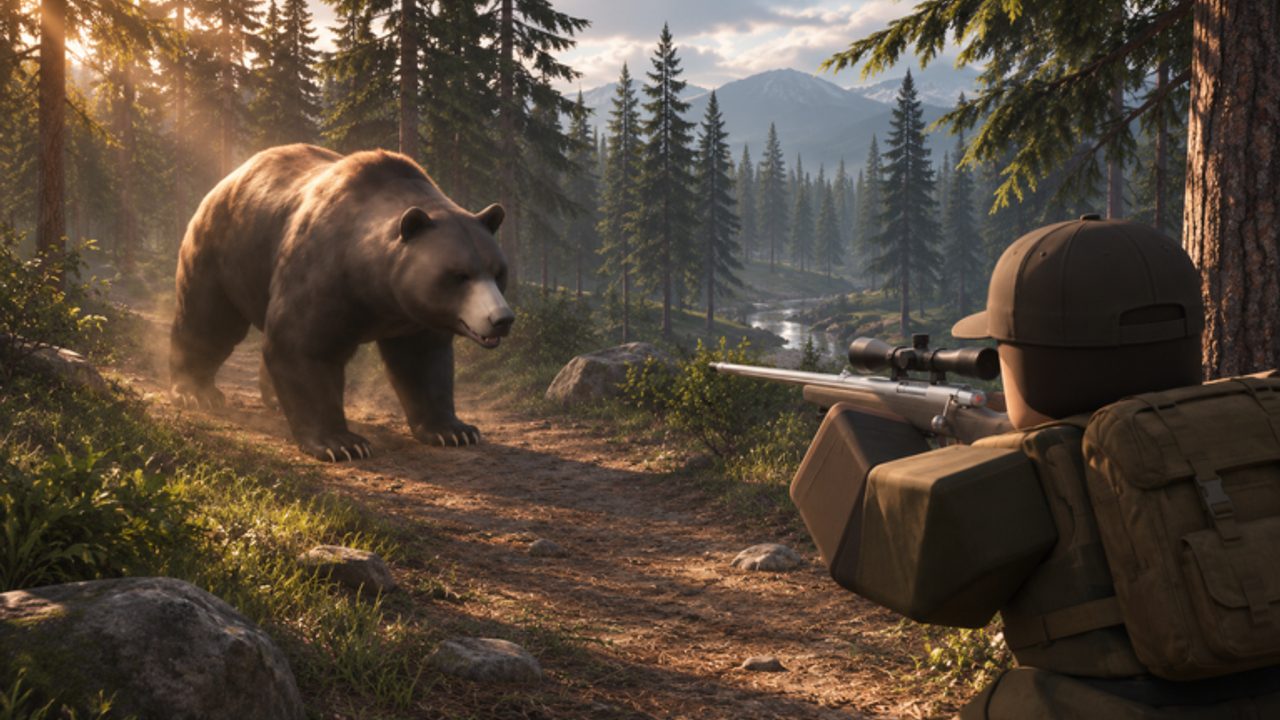
Not every animal in Realistic Hunting asks for the same respect. This animals tier list ranks deer, elk, moose, bears, and rare-coat prestige by difficulty to stalk, danger when wounded, and trophy or progression value. Use it to plan nights, pick challenges, and choose guns from the weapons tier list.
Criteria
- Approach difficulty under wind and noise pressure
- Shot forgiveness if your angle is imperfect
- Threat level after a bad hit (especially predators)
- Tracking length and blood readability
- Trophy / challenge payoff including rare coats
Remember: an “easy” deer upwind of an ATV is suddenly hard. Fundamentals in tracking and wind always outrank static tiers.
S-tier value targets
Moose (clean harvests) and rare coats on any large species sit at the top for cabin prestige. Moose demand caliber respect, patience on vitals, and calm trail work. Rare albino, melanistic, and piebald variants multiply value without changing base AI—see rare animals.
These hunts are session centerpieces, not warm-ups.
A-tier teaching and trophy animals
Elk teach intermediate pressure: easier than moose when hit well, harsher than deer when spooked. Excellent for players graduating from Getting Started.
Bears (healthy, deliberate hunts) offer high story value and danger. A-tier when you bring enough gun and a partner lane from the Players Hub; S-tier risk if you undergun them.
B-tier workhorses
Common deer are the curriculum. Low prestige per head, maximum lessons per hour. Farm them for currency, challenge stacks, and blood-trail reps. A wall of clean deer mounts still looks honest in the cabin.
C-tier situational
Young or marginal animals taken only because they stood still. Fine for meat goals, weak for trophy nights. Passing on small racks trains discipline for piebald dreams later.
Danger modifier: wounded bears
A poorly hit bear can flip a routine stalk into a survival problem. If your first shot is soft, keep a follow-up ready, use terrain, and do not tunnel on the blood without scanning. Co-op overwatch helps; ego solos cause cabin stories you did not want.
Matchup chart (conceptual)
| Animal | Stalk difficulty | Danger | Trophy value |
|---|---|---|---|
| Deer | Low–Medium | Low | Medium |
| Elk | Medium | Low–Medium | High |
| Moose | High | Medium | Very high |
| Bear | Medium–High | High | High |
| Rare coats | +Contested | Same as species | Elite |
Adjust upward whenever public servers crowd the same hotspot after a viral video.
Planning nights with tiers
- Learning night: Deer only, on foot, noise drills (controls).
- Progression night: Elk with an A/S rifle, suppressor on.
- Story night: Moose or bear with full recovery plan and ATV parked correctly (ATV and travel).
- Jackpot night: Rare-coat patrol loops; accept that deer will fill the gaps.
Challenges and animal tiers
When a challenge demands a species you rate S-tier difficulty, schedule it when you are fresh—not at the end of a tilted session. Read challenge text carefully so you do not waste a perfect moose on the wrong condition.
Scripts and animal ESP
ESP deletes difficulty tiers by removing the stalk. If your goal is mastery (and keeping the account), skip executors outlined on the Scripts Hub. Codes on the Codes Hub will not replace species knowledge.
Patch flexibility
Spawn weights, flee logic, and rare rates can shift. After updates, reevaluate whether elk still feel A-tier or whether bear aggro changed (patch notes). This page will move rows when evidence is consistent.
Mindset
Tier lists are planning tools. The forest will still surprise you. If a deer educates you about wind better than a rushed moose, that deer was S-tier for your growth that day. Climb the species ladder only as fast as your quiet feet allow.
Return to the Tier List Hub for gear rankings, and keep the Guides Hub open when a ranking assumes a skill you have not practiced yet.
Frequently Asked Questions
Quick answers for hunters learning Realistic Hunting on Roblox.
What is the best animal for beginners?
Common deer. They teach tracks, wind, and vitals with the lowest danger if you miss.
Are bears harder than moose?
Moose usually demand tougher stalk and caliber discipline; bears spike danger when wounded. Prepare for both differently.
Do rare coats change difficulty tiers?
Behavior matches the species, but contests and nerves make the encounter harder in practice.
Should I only hunt S-tier animals?
No. Mix workhorse deer nights with occasional high-value targets so skills stay sharp.